What tk999 Asks For and How to Guard Your Data
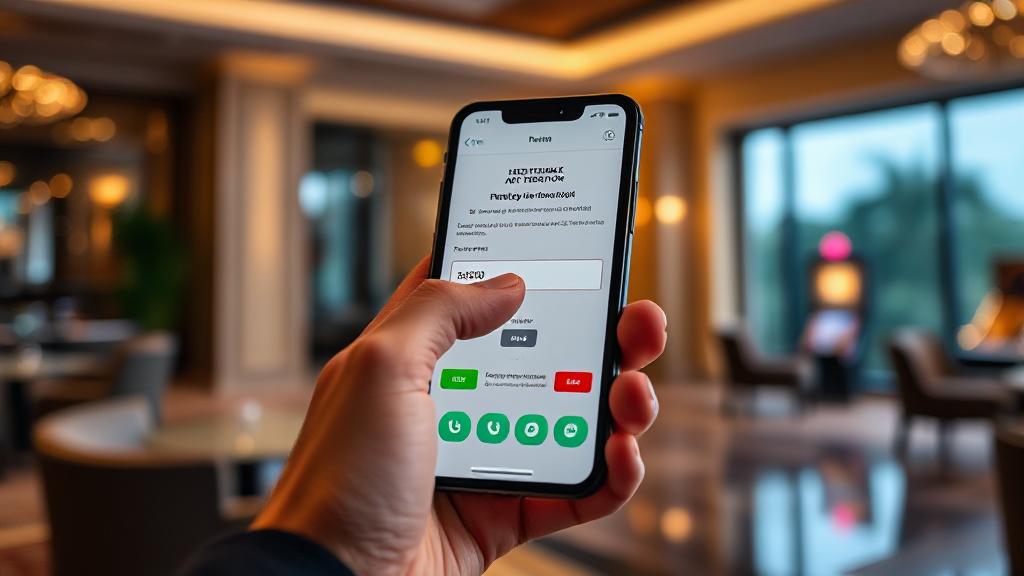
You tap the registration button, and the first field asks for your phone number. Your thumb hovers. It is a small moment, but it is the moment where convenience meets caution. Anyone signing up for an online betting platform such as tk999 faces the same quiet question: what does this platform actually need from me, and what happens to it afterward?
This article takes a data-and-privacy angle rather than a promotional one. It looks at the kinds of personal information a betting platform typically requests, why each field exists, and the practical habits that keep your details from spreading further than they should. The goal is simple: help you register, play, and withdraw with a clearer picture of your own digital footprint.
Why Does a Betting Platform Ask for Personal Details at All?
It is tempting to assume that every field on a sign-up form is optional noise. In reality, online betting platforms operate under rules that make identity checks unavoidable. They must confirm that a user is old enough to participate, that the account belongs to a real person, and that money moving in and out is not tied to fraud or money laundering.
That is why a platform like tk999, which targets users in Bangladesh and offers both a website and a downloadable app, will usually ask for a combination of the following:
- A mobile phone number, often used as the primary login and verification channel
- A full name that matches the person behind the payment method
- An email address for receipts, password resets, and account notices
- Date of birth to confirm age eligibility
- Payment details such as a mobile wallet number or bank information for deposits and withdrawals
None of this is unusual for the category. The important distinction is not whether the data is requested, but how transparently it is explained and how carefully the user manages it after handing it over.
Is Your Phone Number Really Necessary?
For most mobile-first betting platforms, the phone number is the spine of the account. It serves as a login identifier, a one-time password destination, and a recovery method if you lose access. In markets where mobile wallets are the dominant payment route, the phone number often doubles as the payment identity.
That convenience comes with a trade-off. A phone number is one of the most persistent identifiers you own. It follows you across services, it is frequently linked to other accounts, and it can be used for targeted messages if it leaks. If a platform asks for your number, it is reasonable to expect that number to be used only for verification, security alerts, and account recovery.
A useful habit is to keep a separate number for financial and gaming accounts if your carrier and budget allow it. This does not make you anonymous, but it does create a boundary. If spam or unwanted messages ever start arriving, the source is easier to isolate, and your primary number stays cleaner.
What Happens to the Documents You Upload?
Verification is where privacy concerns become more serious. Many platforms eventually ask for a photo of an ID card, a selfie, or a utility bill to confirm your address. These are sensitive documents. A leaked ID image is far more damaging than a leaked email address, because it can be used for impersonation and identity fraud.
When you are asked to upload documents, slow down and check a few things before you submit:
- Is the page using a secure connection, shown by a padlock and an https address?
- Is the request happening inside the official app or the official domain, not a link from a message?
- Does the platform explain why the document is needed and how long it will be stored?
- Can you cover or blur information that is not relevant to the check, such as unrelated numbers on a document?
If any of these feel off, it is better to pause and contact support through a channel you found yourself rather than one that was sent to you. A legitimate platform will not pressure you into uploading documents through an unofficial link.
How Should You Handle Passwords and Login Security?
Passwords remain the weakest link in most personal data stories, and betting accounts are no exception. An account that holds a balance is a more attractive target than a random forum login, because there is money on the other side.
Three habits cover most of the risk. First, use a password that is unique to this account and not reused from email or banking. Second, enable any two-factor or one-time password option the platform offers, so a stolen password alone is not enough to get in. Third, avoid logging in over public Wi-Fi unless you are using a trusted connection method, because unsecured networks can expose session data.
It also helps to review your login activity if the platform provides it. An unfamiliar device or location is an early warning sign. Acting on it quickly, by changing the password and contacting support, is far easier than recovering a drained account later.
What About Payments and Withdrawals?
Payment data is the category users worry about most, and rightly so. Deposits and withdrawals connect your betting account to real money, which means the platform will hold records of your transactions, and your payment provider will hold its own.
In the Bangladeshi context, mobile financial services are commonly used for this purpose. That means your wallet number and transaction history may be linked to your gaming activity. Practical safeguards include:
- Using a payment method you are comfortable having linked to gaming activity
- Keeping screenshots or records of deposits and withdrawals for your own reference
- Never sharing one-time passwords or wallet PINs with anyone, including people claiming to be support staff
- Checking that withdrawal requests go only to accounts in your own name
A platform that follows proper procedures will match withdrawals to the identity on the account. If someone asks you to receive funds on behalf of another person, treat that as a red flag rather than a favor.
Which Everyday Habits Protect Your Data Best?
Privacy is less about one dramatic action and more about a set of small, repeatable habits. The following list is short on purpose, because habits only work if they are easy to remember.
- Download apps only from official sources. A cloned betting app is one of the most common ways credentials and personal data get stolen. Use the link provided by the platform itself, not a forwarded message.
- Read the privacy policy once. You do not need to memorize it. You only need to know what data is collected, who it may be shared with, and how to request deletion.
- Limit what you share in chats and forums. Never post screenshots showing your account number, balance, or transaction IDs in public groups.
- Log out on shared devices. If you use a friend’s phone or a cybercafé computer, log out and clear the session before you leave.
- Review app permissions. A betting app needs network access, but it does not need your contacts, microphone, or photo library beyond document uploads.
- Keep your device updated. Security patches close the gaps that malware uses to harvest data.
None of these steps require technical expertise. They require a few seconds of attention at the right moment, which is exactly the moment described at the start of this article, when the form asks for your number and you pause.
How Can You Tell If a Platform Handles Data Responsibly?
You cannot audit a platform from the outside, but you can read the signals. A responsible operator tends to be clear about what it collects, why it collects it, and how long it keeps it. It provides a visible privacy policy, a working support channel, and verification steps that happen inside the official app or website.
Warning signs run in the opposite direction: vague answers about data use, support that only exists inside messaging apps, requests for documents through unofficial links, and pressure to deposit before any verification has taken place. When these appear together, the safest move is to stop and reconsider.
It also helps to think about your own tolerance. If you are uncomfortable sharing a particular document or linking a particular payment method, you are allowed to ask questions first. A platform that values its users will answer them without hostility.
Frequently Asked Questions
Do I have to give my real phone number to register?
In most cases, yes. The phone number is typically used for account verification and password recovery, and a fake number will usually block you from withdrawing funds later. If you are concerned about privacy, consider using a dedicated number for financial accounts rather than a false one.
Is it safe to upload my ID to a betting platform?
It can be, provided the upload happens inside the official app or website over a secure connection. Check that the domain is correct, that the page uses https, and that the platform explains why the document is needed. Never send ID photos through a chat message or an unofficial link.
What should I do if I suspect my account data has leaked?
Change your password immediately, enable two-factor authentication if it is available, and review recent login and transaction activity. Contact the platform’s support team through its official channel. If payment details were exposed, notify your mobile wallet or bank provider as well.
Can I ask a platform to delete my personal data?
Many platforms allow you to request account closure and data deletion, though they may be required to retain certain records for legal and financial compliance. Read the privacy policy to see what applies, and submit the request through official support.
Does using the mobile app change how my data is handled?
The app should follow the same privacy rules as the website, but app permissions matter. Review what the app can access on your phone and turn off anything unnecessary, such as contacts or microphone access. Download only from the platform’s official source to avoid cloned apps.
Privacy around online betting is not about hiding. It is about knowing what you are handing over, to whom, and why. A few minutes of attention at registration and a handful of steady habits afterward will do more for your protection than any single setting. Whether you use the website or the app, treat your personal data as part of your bankroll: something worth managing carefully.
