What AI Dental Models Can and Cannot Do in Veterinary Care

What AI Dental Models Can and Cannot Do in Veterinary Care

A dental AI model can flag a radiolucent halo around a tooth root in milliseconds; it cannot tell you whether that halo matters for this patient, this owner, and this anesthesia plan. That gap between detection and clinical conclusion is where veterinary dentistry actually lives. This article is an honest look at that boundary, written from the perspective of someone who builds and audits health-data models and has watched clinicians use them.

If you are evaluating whether model-assisted dental imaging belongs in your clinic, the short answer is that it belongs as a second reader, not a decision-maker. Platforms such as nerovet are built around that premise: AI-assisted technology layered into veterinary dental workflows so professionals keep the diagnostic authority. What follows explains what the model sees, what it can and cannot conclude, and how a practice should govern its output.

What the Model Actually Sees

An AI dental model does not see a tooth. It sees an array of pixel intensities, usually a few hundred by a few hundred values per image, normalized and passed through layers of learned weights. In veterinary dental radiography, those intensities encode mineral density, superimposition of structures, and the physics of the X-ray beam. The model learns statistical associations between patterns of intensity and labels that a human radiologist or veterinary dentist assigned during training.

That distinction matters because it explains both the model’s speed and its fragility. It is fast because matrix operations are cheap. It is fragile because a pattern it learned on one imaging setup may not transfer to another. A model recognizes image texture, not anatomy. When the texture shifts, the output can shift with it.

The input pipeline before inference

Most of the work in a dental AI system happens before the model runs. Images are acquired, cropped to the region of interest, resized, and often contrast-normalized so that exposure differences between patients do not dominate the signal. Some pipelines apply denoising or artifact suppression. Each of these steps is a design decision that changes what the model receives.

For veterinary practices, the practical consequence is that image acquisition discipline is not optional. A blurry or badly positioned intraoral radiograph degrades the input, and no amount of model sophistication recovers information that was never captured. Good lighting, consistent positioning, and correct exposure are data-quality controls, not just technique preferences.

What the output layer represents

The model’s output is typically a set of probabilities or bounding regions: a likelihood that a given area corresponds to bone loss, a flagged region around a root, a segmentation mask for a tooth crown. These are statistical statements about image patterns. They are not diagnoses, and they are not measurements in millimeters unless the pipeline has been calibrated against a known scale.

This is where many clinics misread the tool. A high confidence score means the model found a pattern similar to its training examples. It does not mean the pattern is clinically significant. Confidence is a property of the model, not of the patient.

What It Can and Cannot Conclude

The honest framing is a capability boundary, not a capability list. Models are good at consistency and recall on well-represented patterns. They are weak at context, rare presentations, and anything requiring synthesis across the patient’s history.

Where model assistance adds real value

  • Detection support: flagging regions that warrant a closer look, especially in busy workflows where a subtle lesion might be skimmed.
  • Consistency: applying the same visual criteria across images and across clinicians, which reduces inter-reader variation.
  • Record structuring: converting findings into structured entries that are easier to search, audit, and hand over between shifts.
  • Triage: surfacing cases that may need a veterinary dentist’s review sooner rather than later.

None of these replace the clinician. They reduce the cognitive load of scanning and make the record more useful after the fact.

Where the model stops

A model cannot integrate the patient’s age, breed predisposition, diet, prior extractions, or owner’s willingness to pursue treatment. It cannot feel a mobile tooth or assess gingival health by touch. It cannot judge whether a radiographic change is stable or progressive without prior images, and it cannot decide whether anesthesia risk outweighs the benefit of intervention.

It also cannot reliably generalize to presentations absent from its training data. Rare conditions, unusual anatomy, and artifacts from patient motion are classic failure modes. Absence of a flag is not evidence of absence. A negative output means the model did not recognize a pattern, not that the mouth is healthy.

A comparison in plain terms

Think of the difference as a table with two columns. On the left, the model’s column: pixel patterns, probability scores, bounding regions, consistency across images, speed, and reproducibility. On the right, the clinician’s column: patient history, physical examination, tactile findings, owner communication, treatment planning, and accountability for the outcome. The two columns overlap only at the image itself. Everything to the right of the image belongs to the professional, and no model output should be allowed to migrate into that column without a human decision.

Data Quality, Model Limits, and Why Human Oversight Stays Central

Model behavior is downstream of data quality. In veterinary dental imaging, data quality has three layers: acquisition, labeling, and representation. Acquisition covers positioning, exposure, and artifact control. Labeling covers whether the ground truth used in training was accurate and consistent. Representation covers whether the patient population in the training data resembles the patients in front of you.

Each layer introduces error. If labels were assigned by different clinicians with different thresholds, the model learns a blurred definition. If the training set overrepresents certain breeds or imaging equipment, performance may drop elsewhere. If the pipeline normalizes images in a way that suppresses subtle contrast, small lesions may disappear before the model ever sees them.

Why oversight is a design requirement, not a courtesy

Human oversight is central for three reasons. First, the model’s error modes are not symmetric: a missed lesion and a false flag have different clinical consequences, and only a clinician can weigh them for a given patient. Second, the model has no access to the context that determines treatment. Third, accountability for the patient’s care rests with the professional, and that accountability cannot be delegated to a statistical output.

This is why platforms in this space emphasize workflow integration rather than autonomous diagnosis. The value of nerovet in a practice is not that it replaces the clinician’s eye but that it structures the image review and the record around the clinician’s judgment. The model proposes; the professional disposes.

Common mistakes clinics make with model output

  1. Treating a flag as a diagnosis. A highlighted region is a prompt to look, not a finding to record as confirmed.
  2. Skipping the negative review. Clinicians sometimes relax when the model reports nothing, which inverts the intended safety logic.
  3. Ignoring acquisition quality. Poor images produce poor outputs, and the model has no way to say “this image is inadequate.”
  4. Letting the record lose its provenance. If structured entries do not distinguish model-suggested from clinician-confirmed findings, the record becomes misleading later.
  5. Assuming transferability. A model validated on one equipment setup is not automatically valid on another.

How Clinics Should Govern AI Dental Output

Governance is the practical answer to the boundary described above. It means deciding, in advance, what the model is allowed to influence and what it is not. A simple governance framework has four parts: a written scope, a review protocol, a record convention, and a periodic audit.

Set a written scope

The scope should state which tasks the model supports and which it does not. Detection support and record structuring are reasonable. Autonomous diagnosis, treatment selection, and client communication are not. Writing this down protects the practice and sets expectations for new team members.

Define the review protocol

Every model output should be reviewed by a qualified professional before it enters the clinical record as a finding. The protocol should specify who reviews, what constitutes confirmation, and what happens when the reviewer disagrees with the model. Disagreements are not failures; they are the system working as intended, and they should be logged because they reveal where the model’s limits sit in your patient population.

Keep provenance in the record

Structured records should distinguish model-suggested entries from clinician-confirmed ones. This is a data-integrity requirement, not a bureaucratic one. If a later reviewer cannot tell which findings were machine-proposed, the record’s reliability erodes. Provenance is what makes an AI-assisted record trustworthy.

Audit periodically

A periodic audit compares model flags against clinician conclusions over a sample of cases. The goal is not a single accuracy number but a picture of where the model over-flags and under-flags in your practice. Audits should also check image quality trends, because declining acquisition discipline will show up as declining model usefulness.

Train the team on the boundary

Staff should understand that the model is a reader, not an authority. Front-desk and technician teams who interact with structured records need to know that a flagged entry is not a confirmed diagnosis and should not be communicated to owners as one. This is where many implementations quietly fail: the technology works, but the human workflow around it does not.

Plan for failure modes

Every model has failure modes, and a governed practice plans for them. Expect false negatives on subtle lesions, false positives on artifacts, and degraded performance when imaging equipment changes. Build a fallback: when the model’s output conflicts with clinical judgment, clinical judgment prevails, and the case is documented. Over time, those documented conflicts become the most useful data your practice has for improving both technique and tool selection.

The boundary between detection and conclusion is not a flaw to be engineered away. It is the structure of responsible veterinary dental AI. Models are strong where consistency and recall matter, and weak where context and accountability matter. A clinic that governs the output, keeps provenance in the record, and treats the model as a second reader gets the benefit without inheriting the risk. That is the realistic promise of AI-assisted veterinary dentistry, and it is a promise worth keeping honest.


زیر پوست دانلود برنامه BC Game: چه اتفاقی می‌افتد وقتی اجرا می‌شود

زیر پوست دانلود برنامه BC Game: چه اتفاقی می‌افتد وقتی اجرا می‌شود

وقتی روی آیکون یک برنامه می‌زنید و صفحه‌ای باز می‌شود، در چند ثانیه هزاران اتفاق کوچک و بزرگ در گوشی شما می‌افتد. اگر برایتان سؤال شده که در همین چند ثانیه چه می‌گذرد، این مقاله یک تور ساده و لایه‌به‌لایه است؛ از لحظه‌ای که فایل نصب را دریافت می‌کنید تا وقتی محتوای برنامه روی صفحه ظاهر می‌شود. برای شروع، کافی است بدانید که دانلود برنامه bc game نقطه ورود به این مسیر است و بقیه ماجرا در دل گوشی شما اتفاق می‌افتد.

در این تور، بدون اصطلاحات فنی پیچیده، نشان می‌دهیم که هر لایه چه کاری انجام می‌دهد و چرا گاهی نصب یا اجرا کندتر از حد انتظار پیش می‌رود. هدف این است که در پایان، وقتی دکمه نصب را زدید، بدانید پشت صحنه چه خبر است.

لایه اول: از فایل نصب تا اولین باز شدن برنامه

همه‌چیز با یک فایل بسته‌بندی‌شده شروع می‌شود. در اندروید این فایل معمولاً با پسوند APK شناخته می‌شود و در iOS از طریق فروشگاه رسمی یا روش‌های تأییدشده نصب می‌شود. وقتی فایل را دریافت می‌کنید، گوشی ابتدا بررسی می‌کند که آیا اجازه نصب از این منبع را دارد یا نه. این همان مرحله‌ای است که اگر تنظیمات امنیتی گوشی سخت‌گیرانه باشد، ممکن است پیام هشدار ببینید.

پس از تأیید، بسته نصب باز می‌شود و فایل‌های برنامه در حافظه گوشی جای می‌گیرند. در همین لحظه، سیستم‌عامل یک «فضای اختصاصی» برای برنامه می‌سازد تا داده‌هایش با بقیه برنامه‌ها قاطی نشود. اگر کنجکاو هستید که این مسیر را از نزدیک ببینید، می‌توانید از راهنمای دانلود bc game استفاده کنید که مراحل را برای هر دو سیستم‌عامل توضیح داده است.

چرا گاهی نصب طول می‌کشد؟

سرعت نصب به چند چیز بستگی دارد: حجم فایل، سرعت اینترنت، فضای خالی حافظه و سرعت پردازش گوشی. اگر حافظه گوشی تقریباً پر باشد، سیستم‌عامل مجبور است فایل‌های موقت را جابه‌جا کند و همین باعث کندی می‌شود. نکته مهم این است که نصب موفق به معنی اجرای روان نیست و این دو مرحله جدا از هم هستند.

لایه دوم: وقتی آیکون را لمس می‌کنید، سیستم‌عامل چه می‌کند

لمس آیکون یک سیگنال ساده به سیستم‌عامل می‌فرستد: «این برنامه را اجرا کن.» سیستم‌عامل اول مطمئن می‌شود که فایل اجرایی برنامه سالم است و دستکاری نشده. سپس یک «فرایند» جدید در حافظه می‌سازد؛ یعنی فضایی جداگانه که برنامه در آن نفس بکشد. در همین مرحله است که ممکن است چند لحظه صفحه سفید یا لوگوی برنامه را ببینید.

در اندروید، این فرایند معمولاً در یک ماشین مجازی سبک اجرا می‌شود تا برنامه از بقیه سیستم جدا بماند. در iOS، برنامه در محیطی محدودتر و کنترل‌شده‌تر اجرا می‌شود. نتیجه یکی است: برنامه در یک جعبه امن اجرا می‌شود تا نتواند بدون اجازه به بخش‌های دیگر گوشی دست بزند.

نقش مجوزها در همین لحظه

برنامه‌ها برای کار کردن به برخی دسترسی‌ها نیاز دارند؛ مثلاً دسترسی به اینترنت یا حافظه. اگر مجوزی داده نشده باشد، برنامه ممکن است اجرا شود اما بخشی از قابلیت‌هایش کار نکند. این یکی از رایج‌ترین دلایل «باز شدن اما کار نکردن» است که کاربران تجربه می‌کنند.

لایه سوم: برنامه چطور با سرورها حرف می‌زند

بعد از اجرا، برنامه معمولاً یک درخواست به سرور می‌فرستد تا بفهمد نسخه جدیدی وجود دارد یا نه و اطلاعات اولیه را دریافت کند. این ارتباط از طریق اینترنت و با پروتکل‌های امن انجام می‌شود. اگر اینترنت ضعیف باشد، همین مرحله می‌تواند چند ثانیه طول بکشد و صفحه بارگذاری را ببینید.

بسیاری از برنامه‌ها برای سریع‌تر شدن، بخشی از داده‌ها را روی گوشی ذخیره می‌کنند. این کار باعث می‌شود دفعه بعد سریع‌تر باز شوند، اما اگر داده‌های ذخیره‌شده قدیمی باشند، ممکن است اطلاعات ناهماهنگ ببینید. به همین دلیل است که گاهی بستن و باز کردن دوباره برنامه مشکل را حل می‌کند.

برای اینکه از همان ابتدا نسخه درست را دریافت کنید و در مرحله به‌روزرسانی گیر نکنید، بهتر است دانلود بی سی گیم را از منبعی انجام دهید که نسخه‌های سازگار با گوشی شما را معرفی می‌کند.

لایه چهارم: پردازش روی گوشی در برابر پردازش روی سرور

بخشی از کاری که می‌بینید روی گوشی شما انجام می‌شود و بخشی روی سرور. تصویرها، انیمیشن‌ها و واکنش دکمه‌ها معمولاً روی گوشی پردازش می‌شوند تا سریع باشند. اما محاسبات سنگین‌تر و داده‌های اصلی از سرور می‌آیند. این تقسیم کار باعث می‌شود برنامه هم سبک باشد و هم به‌روز بماند.

وقتی اینترنت قطع می‌شود، بخش روی گوشی ممکن است همچنان کار کند اما بخش سروری از کار می‌افتد. به همین دلیل است که برنامه بدون اینترنت فقط پوسته‌ای از خودش را نشان می‌دهد. درک این تقسیم کار به شما کمک می‌کند وقتی برنامه کند می‌شود، حدس بزنید مشکل از کدام طرف است.

چرا گوشی‌های قدیمی‌تر کندتر هستند؟

پردازش گرافیکی و انیمیشن‌ها به پردازنده و حافظه گرافیکی گوشی فشار می‌آورند. گوشی‌های قدیمی‌تر ممکن است همان برنامه را اجرا کنند اما با کیفیت پایین‌تر یا تأخیر بیشتر. این نقص برنامه نیست؛ محدودیت سخت‌افزار است.

لایه پنجم: چرا برنامه‌ها به‌روزرسانی می‌شوند و این فرایند چطور کار می‌کند

به‌روزرسانی فقط اضافه کردن قابلیت جدید نیست؛ گاهی رفع یک اشکال امنیتی یا سازگاری با نسخه جدید سیستم‌عامل است. وقتی به‌روزرسانی می‌کنید، برنامه نسخه قدیمی را کنار می‌گذارد و فایل‌های جدید را جایگزین می‌کند. در این فاصله، ممکن است برنامه یک بار بسته و باز شود.

اگر به‌روزرسانی را نادیده بگیرید، ممکن است برنامه همچنان کار کند اما با گذشت زمان با برخی سرویس‌ها ناسازگار شود. نصب نسخه‌های قدیمی‌تر از منبع نامعتبر یکی از رایج‌ترین اشتباه‌هاست و می‌تواند باعث خطاهای عجیب شود. همیشه بهتر است نسخه‌ای را انتخاب کنید که با سیستم‌عامل گوشی شما سازگار باشد.

  • قبل از به‌روزرسانی، از فضای خالی حافظه مطمئن شوید.
  • به‌روزرسانی را در زمان اتصال پایدار به اینترنت انجام دهید.
  • اگر به‌روزرسانی نیمه‌کاره ماند، برنامه را حذف و دوباره نصب کنید.

لایه ششم: جمع‌بندی ساده از آنچه پشت صحنه می‌گذرد

حالا می‌توانیم کل مسیر را در چند جمله خلاصه کنیم. اول فایل نصب دریافت و بررسی می‌شود. بعد سیستم‌عامل یک فضای امن برای برنامه می‌سازد. سپس برنامه اجرا می‌شود و با سرورها ارتباط برقرار می‌کند. در ادامه، بخشی از کار روی گوشی و بخشی روی سرور انجام می‌شود و در نهایت به‌روزرسانی‌ها این چرخه را کامل می‌کنند.

اینکه بدانید هر لایه چه نقشی دارد، به شما کمک می‌کند وقتی برنامه کند باز می‌شود یا نصب طول می‌کشد، سریع‌تر علت را حدس بزنید. بیشتر مشکلاتی که کاربران تجربه می‌کنند به یکی از همین لایه‌ها برمی‌گردد: حافظه کم، اینترنت ضعیف، مجوز داده‌نشده یا نسخه ناسازگار. با این نگاه، دفعه بعد که روی آیکون زدید، می‌دانید در آن چند ثانیه چه خبر است.

Layanan Pelanggan Responsif di Portal OMO777

Layanan Pelanggan Responsif di Portal OMO777

Bayangkan Anda sudah siap masuk ke akun, tetapi halaman login berhenti di tengah jalan. Anda menunggu beberapa detik, mencoba refresh, lalu bertanya-tanya apakah ada masalah pada akun atau koneksi. Di titik seperti inilah kualitas sebuah portal terasa paling nyata. Bagi saya, omo777 bukan sekadar tempat berkumpulnya permainan togel 4D dan slot; yang membuat saya bertahan adalah cara tim dukungannya menjawab dengan jelas, cepat, dan tanpa berbelit. Artikel ini membahas layanan pelanggan responsif dari sudut pandang pemain yang lebih menghargai jawaban pasti daripada promo besar.

Saya menulis berdasarkan pengalaman menggunakan portal ini sebagai pengguna biasa, bukan sebagai pengamat luar. Fokusnya sederhana: bagaimana dukungan pelanggan bekerja sebelum saya bermain, saat masalah muncul, dan setelah masalah selesai. Jika Anda tipe orang yang ingin tahu ke mana harus bertanya dan apa yang bisa diharapkan, pembahasan ini disusun untuk Anda.

Sebelum Bermain: Memastikan Akses dan Informasi Jelas

Sebelum benar-benar masuk ke permainan, hal pertama yang saya periksa adalah akses login resmi dan kejelasan informasi pembayaran. Di portal OMO777, halaman depan menekankan akses login resmi, dukungan pelanggan yang responsif, serta informasi pembayaran yang jelas. Bagi saya, tiga hal ini adalah fondasi. Tanpa akses yang bisa diprediksi dan informasi transaksi yang transparan, permainan apa pun akan terasa tidak nyaman.

Yang saya lakukan pertama kali adalah memastikan saya membuka alamat yang benar, bukan tautan acak dari pesan yang tidak dikenal. Setelah itu, saya membaca bagian informasi pembayaran untuk memahami metode apa yang tersedia dan bagaimana konfirmasi transaksi ditampilkan. Saya tidak langsung mengisi formulir; saya memastikan dulu bahwa saya mengerti alurnya. Ketika ada bagian yang kurang jelas, saya menghubungi dukungan pelanggan dan menanyakan secara spesifik, misalnya: “Apakah konfirmasi transaksi muncul otomatis di halaman akun, atau perlu saya cek di menu tertentu?” Pertanyaan seperti ini biasanya mendapat jawaban yang lebih berguna daripada pertanyaan umum seperti “Bagaimana cara main?”

Dari sisi penyedia, portal ini mencantumkan sejumlah penyedia permainan seperti Pragmatic Play, PG Soft, JILI, Habanero, Spadegaming, dan NoLimit City. Daftar ini membantu saya memahami bahwa katalog permainan cukup luas, tetapi bagi saya yang paling penting adalah apakah tim dukungan bisa menjelaskan perbedaan antarmuka dan cara menemukan permainan tertentu. Respons yang saya terima tidak berisi janji kemenangan atau klaim berlebihan; isinya lebih pada arahan teknis dan pengingat untuk bermain secara bertanggung jawab. Sikap seperti ini justru membuat saya lebih percaya.

Satu kebiasaan yang saya sarankan: simpan pertanyaan Anda sebelum menghubungi dukungan. Tuliskan langkah yang sudah dicoba, pesan error yang muncul, dan waktu kejadian. Dukungan yang responsif akan lebih cepat membantu jika Anda memberikan konteks yang jelas. Sebaliknya, pesan singkat tanpa detail sering memaksa percakapan bolak-balik yang melelahkan.

Saat Masalah Muncul: Respons Cepat dan Bahasa yang Mudah Dipahami

Suatu ketika, saya mengalami kendala saat mencoba masuk ke akun. Halaman login tidak merespons seperti biasa. Saya tidak panik, tetapi saya juga tidak ingin menebak-nebak. Saya membuka kanal dukungan pelanggan dan menuliskan kronologi singkat: waktu kejadian, perangkat yang digunakan, dan pesan yang tampil di layar. Balasan datang cukup cepat, dan yang membuat saya lega, bahasanya mudah dipahami. Tidak ada istilah teknis berlebihan yang justru membingungkan.

Tim dukungan mengarahkan saya untuk memeriksa beberapa hal sederhana terlebih dahulu, seperti memastikan koneksi stabil dan membuka kembali halaman login resmi. Mereka juga menanyakan apakah saya menggunakan tautan yang benar. Ketika masalah ternyata berkaitan dengan sesi login yang perlu diperbarui, solusinya disampaikan langkah demi langkah. Saya mengikuti instruksi, dan akses kembali normal. Prosesnya tidak dramatis, tetapi justru itu intinya: masalah selesai tanpa saya harus mengirim puluhan pesan.

Dari pengalaman ini, saya menilai responsivitas bukan hanya soal kecepatan balasan, tetapi juga kejelasan isi. Balasan yang cepat tetapi tidak menjawab pertanyaan sama saja dengan menunda masalah. Sebaliknya, balasan yang sedikit lebih lambat namun lengkap dan terarah jauh lebih membantu. Di portal omo777, saya merasakan bahwa dukungan berusaha memahami konteks sebelum memberi solusi. Mereka tidak langsung menyuruh saya “coba lagi” tanpa penjelasan, melainkan membantu saya mengidentifikasi titik masalahnya.

Ada juga situasi ketika saya bertanya tentang informasi pembayaran. Saya ingin memastikan bagaimana status transaksi ditampilkan dan apa yang harus saya lakukan jika konfirmasi belum muncul. Jawaban yang saya terima menjelaskan alur pengecekan secara runut, tanpa klaim “pasti berhasil” yang berlebihan. Bagi saya, kejujuran seperti ini penting. Saya tidak mencari janji manis; saya mencari kejelasan agar bisa mengambil keputusan sendiri.

Jika Anda mengalami kendala serupa, berikut pola pesan yang menurut saya efektif:

  • Tuliskan masalah utama dalam satu kalimat, misalnya “Tidak bisa masuk ke akun sejak 10 menit lalu.”
  • Sertakan waktu kejadian dan perangkat yang digunakan.
  • Sebutkan langkah yang sudah dicoba, seperti refresh atau ganti browser.
  • Lampirkan tangkapan layar jika pesan error sulit dijelaskan dengan kata-kata.
  • Hindari mengirim pesan berulang di beberapa kanal sekaligus; pilih satu kanal dan tunggu balasan.

Pola ini membantu tim dukungan bekerja lebih cepat dan mengurangi risiko salah paham. Dalam pengalaman saya, percakapan yang terstruktur selalu berakhir lebih baik daripada percakapan yang penuh tebakan.

Setelah Selesai: Menutup Percakapan dengan Catatan yang Berguna

Setelah masalah teratasi, saya biasanya menutup percakapan dengan mengucapkan terima kasih dan mencatat solusi yang diberikan. Kebiasaan ini terdengar sepele, tetapi sangat berguna. Jika masalah serupa muncul lagi, saya tidak perlu memulai dari nol. Saya bisa merujuk pada langkah yang sudah terbukti membantu. Dari sisi dukungan, penutupan yang sopan juga memberi sinyal bahwa percakapan selesai dan tidak perlu ditindaklanjuti.

Saya juga memperhatikan bahwa portal ini menekankan bermain secara bertanggung jawab. Setelah percakapan selesai, saya tidak langsung melanjutkan tanpa jeda. Saya mengevaluasi apakah saya masih nyaman dengan ritme bermain saya. Bagi saya, dukungan pelanggan yang baik seharusnya tidak mendorong pemain untuk terus-menerus bermain, melainkan membantu menyelesaikan kendala teknis dan administratif dengan tenang. Sikap ini sejalan dengan pengalaman saya menggunakan omo777: bantuan diberikan untuk memastikan akses dan informasi berjalan lancar, bukan untuk mendorong keputusan tergesa-gesa.

Jika Anda ingin memanfaatkan layanan pelanggan secara maksimal, ada beberapa kebiasaan yang bisa diterapkan setelah percakapan berakhir:

  • Simpan ringkasan solusi di catatan pribadi, bukan di tempat publik.
  • Periksa kembali apakah semua pertanyaan Anda sudah terjawab.
  • Jika ada pertanyaan lanjutan, buka percakapan baru dengan konteks yang jelas.
  • Berikan umpan balik singkat jika kanal dukungan menyediakan opsi tersebut.

Dengan cara ini, pengalaman Anda tidak berhenti pada satu masalah, tetapi menjadi pengetahuan yang bisa digunakan lagi. Bagi saya, inilah nilai nyata dari layanan pelanggan yang responsif: Anda merasa diperlakukan sebagai pengguna yang perlu dipahami, bukan sebagai antrean tiket yang harus diselesaikan secepat mungkin.

Memanfaatkan Kanal Dukungan dengan Bijak

Responsivitas tidak hanya ditentukan oleh tim dukungan, tetapi juga oleh cara kita sebagai pengguna memanfaatkan kanal yang tersedia. Saya belajar bahwa mengirim pesan yang terlalu panjang dan bercabang ke banyak topik justru memperlambat penyelesaian. Sebaliknya, satu pesan dengan satu masalah utama dan konteks yang cukup akan lebih mudah ditangani. Jika ada dua masalah berbeda, saya memisahkannya menjadi dua percakapan agar masing-masing mendapat perhatian yang layak.

Saya juga menghindari mengirim pesan pada jam-jam yang tidak wajar dan kemudian mengharapkan balasan instan. Meskipun dukungan responsif, tetap ada batas kapasitas. Menghargai waktu tim dukungan adalah bagian dari komunikasi yang sehat. Ketika saya mengirim pertanyaan di waktu yang wajar, saya biasanya menerima balasan yang lebih fokus dan tidak terburu-buru.

Hal lain yang saya perhatikan: jangan pernah membagikan kata sandi atau kode verifikasi kepada siapa pun melalui kanal apa pun. Tim dukungan yang baik tidak akan meminta informasi sensitif seperti itu. Jika ada pihak yang mengaku sebagai dukungan dan meminta data pribadi Anda, sebaiknya hentikan percakapan dan laporkan melalui kanal resmi. Saya menekankan hal ini karena keamanan akun adalah bagian dari pengalaman bermain yang bertanggung jawab.

Dalam konteks portal omo777, saya merasa lebih tenang karena informasi akses dan pembayaran disajikan dengan cukup jelas di halaman resmi. Namun, kejelasan tersebut tetap perlu diimbangi dengan kewaspadaan pengguna. Layanan pelanggan yang responsif bekerja paling baik ketika kedua belah pihak berkomunikasi dengan jujur dan terbuka.

Pertanyaan yang Sering Diajukan

Apakah layanan pelanggan omo777 benar-benar responsif?

Berdasarkan pengalaman saya, balasan datang dalam waktu yang wajar dan isinya berfokus pada solusi. Namun, responsivitas juga bergantung pada kejelasan pesan yang Anda kirim. Semakin lengkap konteks yang Anda berikan, semakin cepat masalah bisa diarahkan.

Bagaimana cara menyampaikan keluhan agar cepat ditangani?

Tuliskan satu masalah utama, sertakan waktu kejadian, perangkat, dan langkah yang sudah dicoba. Hindari mengirim pesan berulang di banyak kanal. Jika ada pesan error, sertakan tangkapan layar agar tim dukungan tidak perlu menebak.

Apakah saya bisa menanyakan informasi pembayaran sebelum bermain?

Bisa. Saya menyarankan Anda membaca bagian informasi pembayaran terlebih dahulu, lalu mengajukan pertanyaan spesifik jika ada bagian yang kurang jelas. Pertanyaan seperti “Bagaimana status transaksi ditampilkan?” lebih mudah dijawab daripada pertanyaan umum tanpa konteks.

Apa yang harus dilakukan jika balasan dukungan belum menyelesaikan masalah?

Sampaikan kembali bahwa masalah belum selesai, lalu ringkas langkah yang sudah dicoba dan hasilnya. Hindari mengulang seluruh kronologi dari awal. Dengan begitu, tim dukungan dapat melanjutkan dari titik terakhir tanpa kebingungan.

Apakah dukungan pelanggan menjamin kemenangan?

Tidak. Layanan pelanggan berfokus pada akses, informasi, dan kendala teknis atau administratif. Tidak ada jaminan hasil permainan. Saya justru menghargai jawaban yang tidak memberikan klaim berlebihan dan mengingatkan untuk bermain secara bertanggung jawab.

A Name That Behaves Like a Category: Naming Literacy and Rummy Master

A Name That Behaves Like a Category: Naming Literacy and Rummy Master

The phrase “Rummy Master” sounds like a single product. It has the shape of a brand: two words, a modifier, a noun. Yet in practice it behaves like a category. Search for it, and you will not find one definitive app with one definitive owner. You will find a cluster of listings, reviews, and comparisons that all use the same label to mean slightly different things. That tension — a name that looks specific but functions as a container — is the starting point for this essay. It is also a useful case study in naming literacy, the habit of reading labels as claims rather than as facts.

When a label is shared across many products, readers need a way to tell whether they are looking at a brand, a genre, or a search term that has been optimised for attention. That is where editorial resources such as Rummy Master become relevant: not because they settle the naming question once and for all, but because they show how comparisons and scorecards can restore the distinctions that a broad label blurs.

The naming problem: when a label pretends to be a product

Names do two jobs at once. They identify a thing, and they set an expectation about what kind of thing it is. A product name usually implies a single maker, a single app, a single experience. A category name implies a family of options with shared characteristics. “Rummy Master” sits awkwardly between the two. It reads like a product, but its usage spreads across multiple listings and contexts. The result is a kind of naming ambiguity: readers arrive expecting one thing and are handed several.

This is not a trivial complaint. Naming ambiguity shapes behaviour. If a user believes the phrase refers to one app, they may download the first result they see and assume they have found the canonical version. If they believe it refers to a category, they may start comparing. The label itself does not tell them which interpretation is correct. That gap is where confusion, and sometimes disappointment, begins.

The naming problem is compounded by search. Search engines reward phrases that match what people type, not necessarily phrases that are precise. A broad, memorable label can therefore circulate widely even when it describes nothing in particular. Over time, the label becomes a de facto category term, used by many publishers and listings, each with its own interpretation. The name has not changed, but its behaviour has.

How labels blur: examples of category drift in practice

Category drift happens when a term that once pointed to something specific gradually expands to cover adjacent things. You can see it in many domains: a brand name becomes a verb, a product name becomes a generic term, a genre label absorbs neighbouring genres. In the rummy app space, the same drift is visible in how “Rummy Master” is used across listings and reviews. Sometimes it appears as a title, sometimes as a descriptor, sometimes as a keyword in a comparison table. Each usage nudges the label a little further from a single product and a little closer to a category.

This drift is not necessarily dishonest. It is a natural consequence of language being flexible and markets being crowded. But it does create a literacy challenge. A reader who treats every instance of the label as equivalent will miss the differences that matter: who operates the app, what the bonus terms actually say, how withdrawals are handled, and whether the listing is editorial or promotional. Those differences are exactly what a careful comparison is supposed to surface.

Editorial review sites respond to this blur by introducing structure. Instead of repeating the label, they break it into attributes: features, transparency, payment guidance, and scorecards. The label remains the entry point, but the distinctions do the work. This is a healthier model for readers because it treats the name as a starting question rather than a final answer.

A naming-literacy habit: read the label, then read the claim

The habit I want to propose is simple: when you encounter a name that sounds like a product but behaves like a category, pause and ask what claim the name is making. Is it claiming to be the only option, the best option, or simply a recognisable option? Does the surrounding text support that claim with specifics, or does it rely on the name alone? This habit does not require cynicism. It requires a small amount of attention at the moment of first contact.

In practice, the habit has three steps. First, separate the label from the listing. The name is not the same as the operator, the app version, or the review score. Second, look for the attributes that distinguish one listing from another: bonus terms, withdrawal guidance, transparency about ownership, and editorial methodology. Third, check whether the source is comparing or merely repeating. A comparison adds information; a repetition adds noise.

Applied to “Rummy Master,” this habit turns a confusing phrase into a manageable question. Instead of asking “Is this the real one?”, the reader asks “Which listing is this, and what does it actually offer?” That shift is small but consequential. It moves the reader from brand recognition to claim evaluation, which is the core of naming literacy.

A counterpoint is worth acknowledging. Some readers will argue that this is overthinking. A name is just a name, and most people simply want to find an app and play. That is fair. Naming literacy is not a requirement for every user, and it should not become a barrier to entry. But for readers who are comparing options, especially where bonuses and withdrawals are involved, the extra attention pays for itself. The goal is not to make naming complicated; it is to make the moment of confusion shorter.

There is also a counterpoint from the publishing side. Editorial sites cannot control how a label is used across the wider market, and they cannot rename products. What they can do is be explicit about what their comparisons cover and how their scorecards are built. That transparency is the practical counterpart to naming literacy: readers do their part by reading claims carefully, and publishers do their part by making claims legible.

In the end, “Rummy Master” is less interesting as a name than as a symptom. It shows how easily a label can slip from product to category, and how much depends on the reader’s willingness to ask what the label is doing. Naming literacy is the habit of asking that question early and often. It does not resolve every ambiguity, but it makes ambiguity visible, and visible ambiguity is far easier to navigate than the kind that hides behind a familiar phrase.

Jejak Visibilitas Merek ROKOK88 di Mesin Pencari

Jejak Visibilitas Merek ROKOK88 di Mesin Pencari

Visibilitas sebuah merek di ruang digital bukanlah sesuatu yang bisa diukur dengan angka pasti setiap saat, tetapi bentuknya bisa diamati. Ketika satu nama muncul berulang kali di berbagai halaman, judul, dan hasil pencarian, di situlah pola mulai terbentuk. ROKOK88, sebagai nama yang dikenal dalam konteks platform hiburan daring, menjadi contoh menarik untuk melihat bagaimana sebuah kata kunci menyebar dan meninggalkan jejak. Bagi sebagian pengguna, menemukan rokok88 link yang tepat adalah bagian dari proses navigasi sehari-hari, dan dari situlah titik awal analisis ini dimulai.

Bagaimana Nama Menyebar di Antara Halaman dan Pencarian

Penyebaran sebuah nama merek di mesin pencari tidak terjadi secara acak. Ada beberapa lapisan yang membuat sebuah istilah seperti ROKOK88 terus muncul di berbagai titik. Lapisan pertama adalah halaman-halaman yang secara eksplisit menyebut nama tersebut, baik sebagai judul, deskripsi, maupun bagian dari konten. Lapisan kedua adalah hasil pencarian yang menampilkan variasi kata kunci, misalnya gabungan antara nama merek dan kata tambahan seperti “link”, “alternatif”, atau “daftar”. Lapisan ketiga adalah percakapan publik di forum, media sosial, dan situs agregator yang turut memperkuat keberadaan nama itu di indeks pencarian.

Yang menarik, pola penyebaran ini sering kali tidak berbanding lurus dengan jumlah konten yang benar-benar mendalam. Sebuah nama bisa muncul di puluhan halaman dengan kualitas yang sangat bervariasi. Ada halaman yang membahas secara rinci, ada pula yang hanya menyebut sekilas. Namun bagi mesin pencari, setiap kemunculan adalah sinyal. Semakin sering sebuah nama dikaitkan dengan topik tertentu, semakin kuat asosiasi itu terbentuk. Dalam konteks ROKOK88, asosiasi yang terbentuk umumnya berkaitan dengan platform hiburan daring, akses masuk, dan informasi seputar layanan yang disediakan.

Dari sudut pandang pengguna, jejak ini terasa seperti sebuah peta yang tidak selalu rapi. Ketika seseorang mencari rokok88 link, hasil yang muncul bisa sangat beragam: ada yang berupa halaman resmi, ada yang berupa ulasan, dan ada pula yang sekadar daftar tautan. Keragaman ini menunjukkan bahwa visibilitas sebuah merek tidak hanya ditentukan oleh satu sumber, melainkan oleh ekosistem halaman yang saling terhubung. Semakin banyak halaman yang membahas dengan sudut pandang berbeda, semakin kaya jejak yang tertinggal di mesin pencari.

Ada pula faktor temporal yang berperan. Nama yang muncul secara konsisten dari waktu ke waktu cenderung memiliki jejak yang lebih stabil dibandingkan nama yang hanya muncul sesekali. Konsistensi ini bisa berasal dari pembaruan konten, aktivitas komunitas, atau sekadar kebiasaan pengguna yang terus mencari dengan kata kunci yang sama. Dalam jangka panjang, pola semacam ini membentuk semacam “memori” di mesin pencari, di mana nama ROKOK88 tidak lagi asing dan cenderung muncul dalam berbagai variasi pencarian yang relevan.

Repetisi versus Substansi dalam Ekosistem Pencarian

Repetisi adalah salah satu ciri paling mencolok dari visibilitas sebuah merek. Nama yang sama muncul lagi dan lagi, kadang dengan konteks yang hampir identik, kadang dengan variasi yang sedikit berbeda. Namun repetisi tanpa substansi cepat atau lambat akan kehilangan daya tariknya. Pengguna yang mencari informasi cenderung menghindari halaman yang hanya mengulang nama tanpa memberikan nilai tambah. Di sinilah perbedaan antara sekadar muncul dan benar-benar hadir menjadi penting.

Dalam kasus ROKOK88, repetisi nama di berbagai halaman sebenarnya bisa dibaca sebagai cermin dari permintaan pasar. Selama ada orang yang mencari rokok88 link, akan ada halaman yang berusaha menjawab pencarian itu. Namun kualitas jawabannya sangat bervariasi. Sebagian halaman menyajikan informasi yang terstruktur, sementara sebagian lain hanya menempatkan nama merek sebagai pemicu klik. Bagi pengguna yang jeli, kemampuan membedakan antara repetisi kosong dan substansi nyata menjadi keterampilan yang semakin relevan.

Substansi dalam konteks ini tidak selalu berarti ulasan panjang atau analisis mendalam. Kadang substansi hadir dalam bentuk kejelasan: halaman yang menjelaskan apa itu ROKOK88, layanan apa yang ditawarkan, dan bagaimana cara mengaksesnya dengan aman. Kejelasan semacam ini memberikan nilai bagi pengguna dan sekaligus memperkuat kredibilitas halaman di mata mesin pencari. Sebaliknya, halaman yang hanya menumpuk kata kunci tanpa kejelasan cenderung tenggelam dalam lautan hasil pencarian yang semakin kompetitif.

Menarik untuk dicatat bahwa ekosistem pencarian saat ini semakin menghargai kedalaman. Algoritma terus berkembang untuk mengenali konten yang benar-benar membantu pengguna. Dalam jangka panjang, merek yang visibilitasnya didukung oleh konten berkualitas akan memiliki jejak yang lebih tahan lama dibandingkan merek yang mengandalkan repetisi semata. ROKOK88, sebagai nama yang telah beredar cukup lama, berada di persimpangan ini: apakah jejaknya akan terus diperkuat oleh substansi, atau justru melemah karena kelebihan repetisi tanpa isi.

Bagi pengamat media digital, fenomena ini menawarkan pelajaran yang lebih luas. Visibilitas bukanlah tujuan akhir, melainkan hasil sampingan dari interaksi antara permintaan pengguna, kualitas konten, dan cara mesin pencari memetakan informasi. Nama sebesar apa pun akan sulit bertahan jika tidak didukung oleh ekosistem yang sehat. Sebaliknya, nama yang lebih kecil namun konsisten dalam menyajikan substansi bisa perlahan membangun jejak yang kuat dan dipercaya.

Refleksi Penutup: Membaca Jejak sebagai Cermin

Pada akhirnya, jejak visibilitas sebuah merek seperti ROKOK88 di mesin pencari adalah cermin dari berbagai hal: perilaku pengguna, dinamika konten, dan cara platform pencarian bekerja. Melihat bagaimana sebuah nama menyebar membantu kita memahami bahwa ruang digital bukanlah ruang yang netral, melainkan medan yang terus dibentuk oleh interaksi manusia dan algoritma. Setiap halaman yang menyebut sebuah nama, setiap pencarian yang dilakukan, dan setiap tautan yang dibagikan turut serta dalam proses pembentukan jejak itu.

Membaca jejak ini dengan kritis berarti tidak berhenti pada kemunculan pertama atau hasil teratas. Pengguna perlu melihat lebih dalam: apakah halaman yang muncul benar-benar relevan, apakah informasinya dapat dipercaya, dan apakah nama yang disebut memang terkait dengan konteks yang dicari. Dalam hal ini, kesadaran pengguna adalah lapisan pertahanan terakhir yang tidak bisa digantikan oleh algoritma mana pun. Semakin kritis pengguna, semakin sehat ekosistem informasi yang terbentuk.

Bagi ROKOK88 sendiri, jejak yang ada saat ini adalah modal sekaligus tantangan. Modal karena nama tersebut telah dikenal dan dicari; tantangan karena ekspektasi terhadap kualitas terus meningkat. Ke depan, yang akan menentukan bukan hanya seberapa sering nama itu muncul, tetapi seberapa bermakna setiap kemunculannya. Visibilitas yang dibangun di atas substansi akan selalu memiliki umur yang lebih panjang daripada visibilitas yang dibangun di atas repetisi. Dan pada akhirnya, itulah pelajaran yang bisa dipetik dari jejak sebuah merek di mesin pencari.

Covered and Not Covered: Placing mega888 in the Portal’s Map

Covered and Not Covered: Placing mega888 in the Portal’s Map

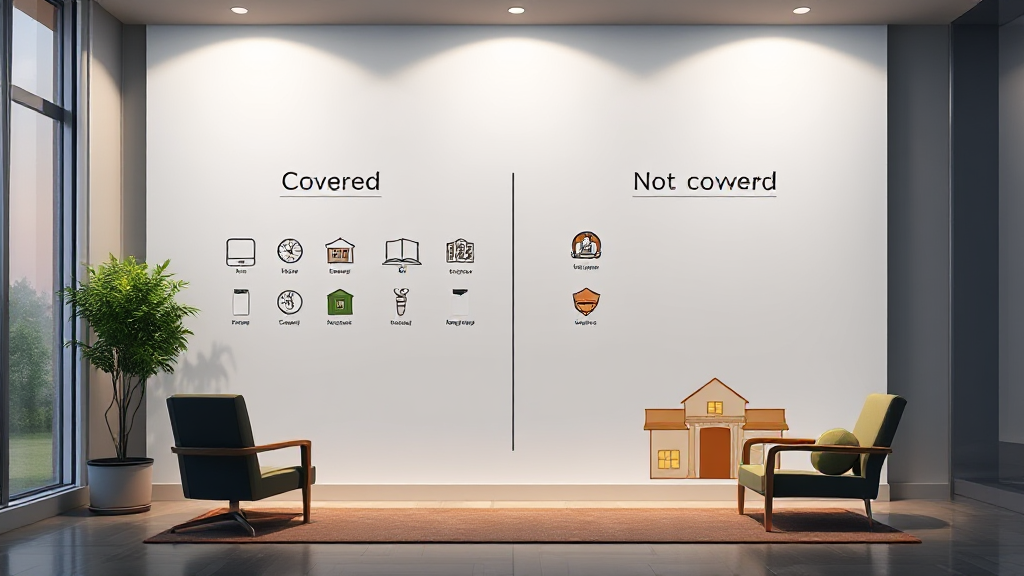
Every information portal has a boundary. On one side sits the material it was built to organize, verify and present. On the other side sits everything else, however popular or frequently searched it may be. This article takes that simple two-column idea and applies it to the Government of Balochistan Circuit Houses, Rest Houses and Guest Houses portal, then places the term mega888 firmly in the second column, with reasons rather than assumptions. The goal is not to judge the term but to map it accurately against what the portal actually covers.

The portal describes itself plainly: it is a site maintained for Government of Balochistan Circuit Houses, Rest Houses and Guest Houses. That single sentence is the key to the whole coverage map. It tells us the subject matter, the intended audience and the type of information the site exists to publish. Anything that falls outside that sentence needs a clear reason before it can be added to the covered list, and the term mega888 does not survive that test.

What the Portal Covers

The covered column is easy to define because the portal states its purpose directly. It is a directory-style resource for government accommodation facilities in Balochistan. The covered list includes the following categories:

  • Circuit Houses — official accommodation used by government officers and guests during travel and duty visits.
  • Rest Houses — facilities maintained for official and administrative use across districts.
  • Guest Houses — government-managed lodging for approved visitors and officials.
  • Facility information — details about the locations, purpose and administration of these houses.
  • Government of Balochistan context — the institutional framework that maintains and operates these facilities.

Each of these items shares a common thread: they are physical, government-administered accommodation assets. The portal is a practical reference for people who need to understand or use these facilities. It is not a news site, not a general tourism guide and not a commercial booking platform. Its scope is narrow by design, and that narrowness is what makes the coverage map reliable.

When a visitor arrives at the portal, they should expect information tied to these houses. That expectation is the first boundary marker. A term that has nothing to do with circuit houses, rest houses or guest houses sits outside the expected experience, no matter how many people search for it.

What the Portal Does Not Cover

The not-covered column is where mega888 belongs. The term is widely searched online, but popularity is not the same as relevance. The portal does not cover online gaming platforms, digital entertainment brands, or any commercial service unrelated to government accommodation. Placing mega888 in this column is not a criticism of the term; it is simply an accurate classification based on the portal’s stated scope.

Several reasons support this placement:

  • No topical overlap. The portal deals with government circuit houses, rest houses and guest houses. mega888 does not relate to accommodation, government facilities or administrative travel.
  • No institutional connection. The portal is maintained for Government of Balochistan facilities. There is no evidence linking mega888 to that institutional framework.
  • Different user intent. Visitors to the portal are looking for facility information. Someone searching for mega888 has a completely different intent, and mixing the two would confuse both audiences.
  • No published evidence. The portal’s own description does not mention gaming, entertainment brands or commercial platforms of any kind.

It is worth noting that the not-covered column is not a list of forbidden topics. It is a list of topics that fall outside the portal’s purpose. A government accommodation directory is simply the wrong home for an entertainment brand, in the same way a library catalogue is the wrong home for a restaurant menu. The categories are different, and the map should reflect that difference clearly.

Readers who encounter mega888 alongside this portal should understand that the two are unrelated. The portal’s coverage ends where government accommodation information ends. Everything beyond that line, including mega888, belongs to a different part of the information landscape.

The Boundary Logic and Why It Matters

The boundary logic behind this coverage map is straightforward: a portal should be judged by what it was built to do, not by what happens to be popular. The Government of Balochistan Circuit Houses, Rest Houses and Guest Houses portal was built to organize information about specific government facilities. Its value comes from that focus. If it tried to cover unrelated search terms, it would dilute its usefulness and mislead visitors about what they can find there.

This is why placing mega888 in the not-covered column is the correct editorial decision. The term does not fit the portal’s subject, audience or evidence base. Including it would break the map’s internal consistency. Excluding it keeps the covered list clean and the not-covered list honest.

The same logic applies to any other term that might be suggested for the portal. The test is simple: does the term relate to circuit houses, rest houses or guest houses maintained for the Government of Balochistan? If yes, it belongs in the covered column. If no, it belongs in the not-covered column. mega888 fails this test clearly, and that is the whole of the reasoning.

For visitors, this clarity is useful. A coverage map tells you where to look and where not to look. If you need information about government rest houses in Balochistan, the portal is the right destination. If you are curious about mega888, you should look elsewhere, because this portal does not and should not cover it. The boundary is not a wall; it is a signpost, and signposts help people find the right place faster.

In the end, the map is only as good as its categories. The covered list describes government accommodation facilities. The not-covered list describes everything else, and mega888 sits there for reasons of topic, intent and evidence. That placement is not a judgment of value. It is a statement of fit, and fit is what coverage maps are for.

Que sticks DELIA para ILUMA escolher? Comparação prática para iniciantes

Que sticks DELIA para ILUMA escolher? Comparação prática para iniciantes

No final deste guia, você vai saber exatamente qual sticks DELIA para ILUMA experimentar primeiro, como comparar as opções disponíveis e por que essa escolha inicial faz tanta diferença na sua adaptação ao tabaco aquecido. Vou explicar como se estivesse sentado ao seu lado, num treinamento para quem está começando agora: sem pressa, com critérios claros e recomendações no final.

Se você acabou de comprar um dispositivo ILUMA ou está pensando em migrar para o heat-not-burn, provavelmente já percebeu que existem vários sabores e intensidades de sticks DELIA. A dúvida mais comum é sempre a mesma: qual deles escolher para não errar na primeira compra? A resposta não é única, mas existe um caminho lógico que facilita muito a decisão.

O que são sticks DELIA e por que eles importam para o ILUMA

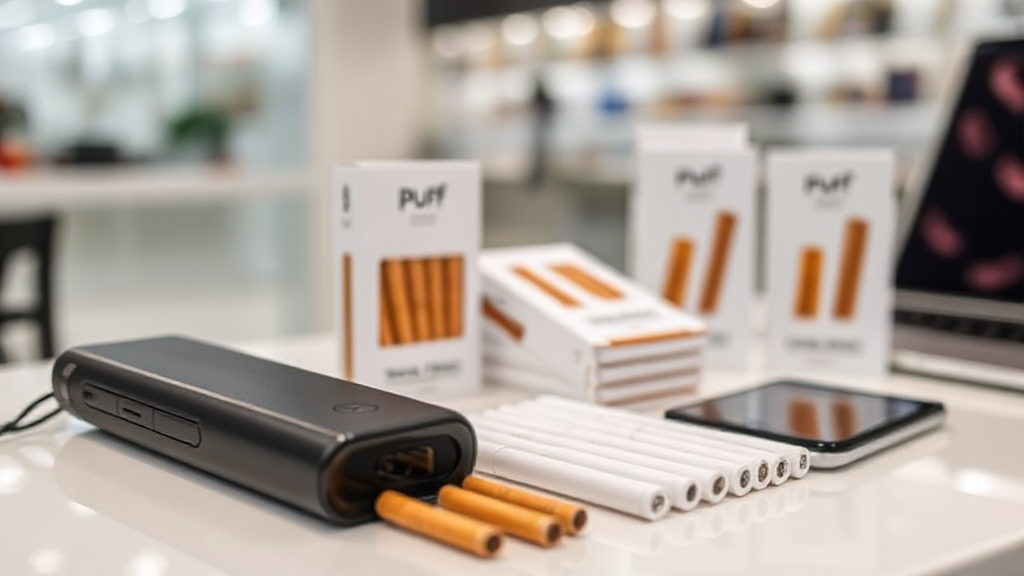
Os sticks DELIA são consumíveis de tabaco aquecido desenvolvidos para funcionar com os dispositivos da linha ILUMA. Diferente dos cigarros tradicionais, eles não são queimados: o tabaco é aquecido de forma controlada, liberando vapor e aroma sem combustão. Isso muda completamente a experiência de consumo e exige que você escolha o stick certo para o seu perfil.

Para quem está começando, entender essa diferença é o primeiro passo. O ILUMA aquece o stick por indução, e cada sabor de DELIA foi formulado para responder de maneira específica a esse aquecimento. Por isso, a escolha do stick não é só uma questão de gosto pessoal: ela afeta a intensidade, o aroma, a duração da sessão e até a sua satisfação com o dispositivo.

Neste treinamento, vou tratar os sticks DELIA como peças de um quebra-cabeça. Cada peça tem uma função, e o seu papel é encontrar a combinação que faz sentido para o seu paladar e para a sua rotina. Vamos por partes.

Como comparar os sabores de DELIA na prática

A comparação mais útil para iniciantes não é entre marcas, mas entre perfis de sabor. Os sticks DELIA para ILUMA se organizam, de forma geral, em três grandes famílias: os tabacos mais tradicionais, os aromatizados e os refrescantes. Cada família atende a um momento diferente do dia e a uma expectativa diferente de quem está fumando.

Os tabacos tradicionais costumam ser a porta de entrada mais segura para quem vem do cigarro convencional. Eles entregam notas mais próximas do que você já conhece, com intensidade média e finalização limpa. Já os aromatizados trazem um toque extra de sabor, como baunilha, frutas ou especiarias, e são indicados para quem quer variar sem perder a base de tabaco. Por fim, os refrescantes apostam em sensações mentoladas ou cítricas, ideais para dias quentes ou para quem gosta de uma sensação mais fresca na boca.

Na prática, a melhor forma de comparar é experimentar um stick de cada família. Assim, você entende como o seu paladar reage a cada perfil e consegue definir qual deles combina mais com o seu dia a dia. Não existe certo ou errado: existe o que funciona para você.

Critérios que realmente ajudam na escolha

Quando o assunto é escolher sticks DELIA para ILUMA, alguns critérios objetivos ajudam a reduzir a dúvida. O primeiro é a intensidade. Se você fuma há muitos anos, provavelmente vai preferir sticks com sabor mais encorpado. Se está tentando reduzir a quantidade ou busca algo mais suave, os perfis leves são mais indicados.

O segundo critério é o aroma. Sticks muito aromatizados podem enjoar com o uso diário, enquanto os mais neutros são mais versáteis. O terceiro é a duração da sessão: alguns sabores mantêm o perfil estável até o final, outros mudam de intensidade com o aquecimento. Como iniciante, prefira os que se mantêm constantes, porque a experiência é mais previsível.

O quarto critério é a disponibilidade. De nada adianta escolher um sabor incrível se ele está sempre esgotado. Por isso, vale conferir lojas especializadas que mantêm um catálogo completo e entregam rápido na Europa, como a Puff EU. Ter acesso fácil aos seus sticks favoritos faz toda a diferença na rotina.

Comparação em prosa: os perfis mais procurados

Vamos colocar tudo em uma comparação direta, sem tabela, como uma conversa de treinamento. Os sticks DELIA de tabaco tradicional são os mais indicados para o primeiro contato. Eles lembram o cigarro, mas com menos aspereza, e ajudam o corpo a se acostumar com o aquecimento. Se você quer uma transição suave, comece por eles.

Os sticks aromatizados, por sua vez, são os queridinhos de quem já se adaptou ao dispositivo e quer explorar novos sabores. Eles funcionam bem como opção de sobremesa ou para momentos de relaxamento. A desvantagem é que podem saturar o paladar se usados o dia inteiro. Nesse caso, a dica é alternar com um perfil mais neutro.

Já os refrescantes são os mais indicados para quem busca uma sensação de limpeza e frescor. Eles combinam com manhãs, dias quentes e momentos em que você quer algo mais leve. A comparação entre eles e os tradicionais é quase oposta: enquanto um aquece o paladar, o outro refresca. Ter os dois na rotina é uma estratégia inteligente.

Por fim, existem os sabores especiais, que misturam notas de tabaco com toques doces ou amadeirados. Eles são uma aposta para quem já tem experiência e quer algo diferente. Como iniciante, deixe esses para a segunda compra.

Erros comuns de quem está começando

O erro mais comum é comprar uma caixa inteira de um sabor que você nunca experimentou. A empolgação é compreensível, mas o resultado pode ser frustrante. O ideal é comprar quantidades menores de sabores variados e testar com calma. Assim, você descobre o seu perfil sem desperdício.

Outro erro é ignorar a compatibilidade. Nem todo stick é feito para o ILUMA, e usar um consumível inadequado pode comprometer o funcionamento do dispositivo. Os sticks DELIA são específicos para a linha ILUMA, então fique atento ao rótulo e à descrição do produto.

Também é comum escolher apenas pelo cheiro da embalagem. O aroma que você sente no pacote não é o mesmo que você sente durante a sessão. A experiência de aquecimento revela camadas diferentes, e só o uso real mostra se o sabor agrada. Por isso, desconfie de decisões baseadas apenas na primeira impressão.

Por último, muitos iniciantes não dão tempo ao paladar. A adaptação ao tabaco aquecido leva alguns dias. Não descarte um sabor na primeira tragada: experimente em momentos diferentes, com o dispositivo bem carregado e limpo, e só então tire suas conclusões.

Onde comprar sticks DELIA para ILUMA com segurança

Na hora de comprar, priorize lojas especializadas em produtos de tabaco aquecido. Elas costumam ter catálogo atualizado, informações claras sobre compatibilidade e políticas de entrega transparentes. A Puff EU é uma opção para quem está na Europa, com envio rápido e pagamento seguro. Você pode conferir o catálogo completo de sticks DELIA para ILUMA diretamente na loja.

Ao comprar online, verifique se o site oferece informações sobre a origem dos produtos e se cumpre as regulamentações locais. Também é importante confirmar o prazo de entrega para o seu país e as formas de pagamento disponíveis. Segurança e transparência são sinais de que você está lidando com um vendedor confiável.

Outra dica é ficar de olho nas reposições de estoque. Sabores mais procurados podem esgotar rápido, então cadastre-se para receber avisos ou compre com antecedência. Assim, você não fica sem os seus sticks favoritos no meio da rotina.

Recomendação final para o seu primeiro pedido

Se você chegou até aqui e ainda está em dúvida, minha recomendação como treinador é simples: monte um primeiro pedido com três perfis diferentes. Escolha um stick de tabaco tradicional, um aromatizado e um refrescante. Comece pelo tradicional para se adaptar ao dispositivo, use o aromatizado em momentos de lazer e reserve o refrescante para variar ao longo do dia.

Com essa pequena variedade, você vai entender rapidamente qual família agrada mais ao seu paladar. Na segunda compra, já com a experiência do primeiro contato, fica muito mais fácil investir em quantidades maiores do sabor preferido. E não se esqueça de manter o dispositivo limpo e carregado: isso influencia diretamente na qualidade da sessão.

Lembre-se de que a escolha dos sticks DELIA para ILUMA é pessoal e pode mudar com o tempo. O importante é começar com curiosidade, testar com método e ajustar conforme a sua preferência. Com esses passos, você transforma uma dúvida comum em uma rotina prazerosa e bem informada.

Сезонный порядок в аптечке: когда пересматривать остатки лекарств

Сезонный порядок в аптечке: когда пересматривать остатки лекарств

У каждого домашнего шкафчика есть свой ритм. Гардероб мы перебираем дважды в год — перед теплом и перед холодами. С аптечкой так не поступает почти никто, а зря: у лекарств тоже есть сезонность. Зимой одни упаковки уходят одна за другой, летом другие стоят нетронутыми, а после курса лечения в доме оседает целый набор начатых блистеров и закрытых коробок. Если не встроить пересмотр в календарь, полка превращается в склад, где невозможно найти нужное и легко пропустить срок годности. Именно поэтому стоит заранее решить, когда именно вы разбираете запасы — и что делать с тем, что вам больше не нужно. Кстати, если излишки накопились, помогает фондвыкупапрепаратов — сервис, который оценивает препараты по фото и берёт на себя оформление сделки.

Зима: пик покупок и первый хороший момент для ревизии

Холодный сезон — самый активный в аптечке. Противовирусные, жаропонижающие, средства от боли в горле, капли в нос, витамины: всё это покупается импульсивно, часто «на всякий случай», и часть остаётся нераспечатанной. К концу февраля обычно набирается несколько упаковок, которые вы так и не открыли.

Первый удобный момент для пересмотра — конец зимы, когда сезонные простуды идут на спад. Пройдитесь по полке и разделите всё на три группы: то, что вы точно используете в следующем сезоне; то, что просрочено; и то, что осталось после курса и больше не понадобится. Третья группа — самая недооценённая. Люди годами хранят начатые упаковки, хотя препарат был назначен на конкретную ситуацию и повторять курс не планируется.

Полезно сразу проверить условия хранения. Многие средства не любят перепадов температуры и влажности, а полка в ванной или возле батареи — плохое место. Если вы переносите аптечку в более подходящий шкаф, заодно отсеивается лишнее: то, что не хочется нести на новое место, с высокой вероятностью вам не нужно.

Весна: время разбирать накопленное после зимних курсов

Весной заканчиваются многие длительные курсы, начатые ещё в холода: витамины, препараты для суставов, средства для кожи, назначения после перенесённых заболеваний. Именно в апреле—мае домашние запасы выглядят наиболее внушительно — и именно тогда их удобнее всего оценить.

Начните с простой сортировки по срокам. Всё, что истекает в течение ближайших месяцев, ставьте вперёд — это то, что либо будет использовано, либо уйдёт. Дальше проверьте целостность: вскрытые блистеры, повреждённые коробки, стёртые надписи. Если инструкция потерялась, а название читается с трудом, хранить такую упаковку бессмысленно.

Отдельная категория — препараты, которые вам больше не подходят: сменилось назначение, появилась непереносимость, закончился курс. Выбрасывать их жалко, особенно если упаковка закрыта и срок годности в порядке. В этом случае разумный шаг — не копить, а оценить возможность продажи остатков. Оценка по фото занимает немного времени: достаточно снять упаковки при хорошем свете и отправить снимки. Если предложение подходит, дальше остаётся только подписать договор и получить оплату удобным способом.

Весна — хороший момент ещё и потому, что до летней жары далеко: не нужно переживать, что лекарства перегреются в дороге или на полке, пока вы разбираетесь с ними.

Лето: жара, отпуска и правила хранения остатков

Летом аптечка страдает больше всего. Высокая температура ускоряет разложение многих препаратов, а поездки и дачи разбрасывают упаковки по разным сумкам. Поэтому летний пересмотр — не про избавление от лишнего, а про сохранение того, что действительно нужно.

Проверьте, где лежат лекарства. Верхние полки у окна, багажник машины, неотапливаемая дача — плохие варианты. Если вы уезжаете, соберите небольшой дорожный набор и оставьте дома только то, что реально используется. Всё остальное лучше либо правильно утилизировать, либо передать тем, кто в этом разбирается.

Летом также удобно планировать продажу остатков: люди чаще разбирают шкафы во время отпуска, а сервисы работают по всей России и принимают заявки независимо от сезона. Главное — не оставлять упаковки в машине или на балконе в ожидании отправки: жара может испортить даже закрытые препараты.

И не забывайте про простую привычку: подписывать дату вскрытия на коробке. Это мелочь, которая через полгода сэкономит вам время и нервы при следующем пересмотре.

Осень: подготовка к новому сезону и чистый старт

Осень — естественная точка входа в новый цикл. Впереди холодный сезон, а значит, аптечка снова начнёт наполняться. Логично встретить его с пустыми лишними полками: так вы точно знаете, что у вас есть, и не покупаете дубликаты.

Сентябрьский или октябрьский пересмотр удобно совместить с проверкой сроков годности на всём, что осталось после лета. Всё, что истекает до конца года, ставьте в первую линию. Всё, что не пригодилось за последние двенадцать месяцев и не входит в постоянную схему, — кандидат на расставание.

Если среди этих упаковок есть закрытые и годные препараты, не спешите относить их в мусорное ведро. Их можно продать: сервис выкупа лекарств работает с остатками препаратов, помогает с оценкой и юридическим оформлением, а оплата приходит удобным для вас способом. Так вы освобождаете место, возвращаете часть потраченных денег и заодно снижаете количество лекарств, которые в итоге попадут на свалку.

Осенью же стоит завести простое правило: раз в сезон — один короткий обход аптечки. Пятнадцать минут четыре раза в год дают больше порядка, чем генеральная уборка раз в пятилетку. Сезонный ритм работает потому, что совпадает с реальной жизнью: после зимы, после курсов, перед жарой, перед новым холодным сезоном. Встройте пересмотр в эти естественные паузы — и аптечка перестанет быть тёмным ящиком, в котором страшно что-то искать. А всё, что вы решили не хранить, спокойно уйдёт туда, где ему найдут применение.

Using the Red Notice Lawyer Directory for First-Time INTERPOL Defence Searches

Using the Red Notice Lawyer Directory for First-Time INTERPOL Defence Searches

You open an email from a colleague and see a link to an INTERPOL notice page with your name on it. You are not in handcuffs, no one has knocked on your door, and yet your travel plans, your bank relationships and your ability to renew a visa suddenly feel fragile. This is the moment most people start searching for an INTERPOL defence lawyer, usually at night, usually from a country that is not their own. The first question is rarely “who is the best lawyer in the world?” It is “which of these names is real, licensed and actually handles notice and diffusion cases?” That is the specific gap the Red Notice Lawyer Directory was built to close.

The directory is not a law firm and does not represent anyone. It is a verification and comparison platform published by Red Notice Legal Media. Its listings cover law firms and licensed agents working in INTERPOL notice and diffusion defence, alongside professionals in residency and citizenship by investment. The practical value for a first-time user is that the site checks names against official registers instead of simply accepting a paid listing.

Working through a first search, step by step

Imagine you are a consultant based in Dubai who has just discovered a Red Notice circulated through a country you transited two years ago. You have three weeks before a scheduled business trip to Europe. Here is how a directory-led search tends to unfold.

Step one: confirm what you are actually facing. A Red Notice is an international request to locate and provisionally arrest a person pending extradition. It is not an arrest warrant, and INTERPOL is not a police force with officers who can detain you. A diffusion is a separate, less formal alert that national authorities can circulate directly. The distinction matters because the legal response differs. Before contacting anyone, write down the notice reference number, the requesting country and the date you became aware of it.

Step two: filter for the right practice area. Many firms advertise “international criminal law” but have never filed a request with INTERPOL’s Commission for the Control of Files. In a directory built around notice and diffusion defence, you can screen for practitioners who list that work specifically, rather than general extradition or immigration practices.

Step three: verify the licence. This is where a verified directory earns its place. A convincing website, a polished LinkedIn profile and a long list of client testimonials do not prove that a lawyer is admitted to practice in any jurisdiction. Verification against official registers is the single most useful filter a first-time user has, because it removes the risk of paying a retainer to someone who cannot appear for you anywhere.

Step four: compare jurisdictions. The lawyer you need depends on where you live, where the requesting country is, and where your assets sit. A practitioner admitted in Turkey may be the right choice for a client in Istanbul but the wrong one for someone resident in Brazil. Comparing several jurisdictions side by side, with the same verification standard applied to each, is far more efficient than evaluating firms one at a time.

Step five: ask about the deletion request. The core remedy in many notice cases is an application to INTERPOL to review and remove the notice or diffusion, on grounds such as political motivation, insufficient judicial review in the requesting country, or a breach of INTERPOL’s own rules. Ask directly whether the firm has filed such requests before and what the typical timeline looks like. A firm that answers vaguely is a firm to skip.

Step six: agree scope and cost in writing. Notice defence is not a single hearing. It is document gathering, submissions, follow-up and, sometimes, parallel immigration planning. Get the fee structure in writing before any payment, and confirm who inside the firm will actually handle the file.

Once those six steps are done, the shortlist usually shrinks from a dozen names to two or three. That is the outcome a directory is meant to produce.

Variations for other situations

Not every first-time user arrives with an active notice. The search changes depending on the scenario.

If you are planning ahead rather than reacting. Some people learn that a business dispute abroad has been referred to prosecutors and want to know their exposure before anything is circulated. In that case, the useful listings are practitioners who handle preventive advisory work — reviewing the risk of a diffusion, checking whether a prior notice was ever removed, and confirming what appears in INTERPOL’s public records.

If you are also considering a second passport. Notice defence and residency or citizenship by investment often intersect. A person facing a notice may need a jurisdiction where they can remain lawfully while the deletion request is pending. The directory groups these two practice areas deliberately, so you can identify advisers who understand both the criminal-law and immigration consequences of a filing, rather than coordinating two unrelated firms yourself.

If you are a law firm rather than an individual. Smaller firms sometimes need local counsel in another country to file or follow up on a submission. A verified directory shortens that search considerably, because the verification work has already been done against official registers.

If you are a journalist or researcher. The listings are also a map of who actually practises in this field, which is useful when you need comment on how notice systems are being used or misused across jurisdictions.

Two cautions apply in every scenario. First, the directory does not provide legal advice and cannot tell you which lawyer to hire — it supplies verified information and you make the decision. Second, verification confirms that a professional is licensed and listed; it does not guarantee an outcome. No honest adviser will promise that a notice will be deleted.

The most common mistake first-time users make is treating an INTERPOL problem as an ordinary legal shopping task, comparing websites and fees. The better approach is to treat it as a verification problem first: confirm what the notice is, confirm who is genuinely licensed to act, and only then discuss strategy. A directory that checks names against official registers before listing them turns a stressful, opaque search into a short, defensible shortlist — which, for someone who has just found their name on an international alert, is exactly what is needed.

从新手到老手:日本AV、女优与国产AV浏览习惯的变化

从新手到老手:日本AV、女优与国产AV浏览习惯的变化

同一个网站,在刚注册第一周的新用户眼里,和在用了三年的老用户眼里,几乎像是两个完全不同的产品。新手看到的是一堵墙:海量的封面、密密麻麻的标签、不断刷新的列表,信息量大到让人无从下手。老手看到的却是一张地图:哪些女优值得追、哪些国产AV系列在近期更新、哪些标签只是噱头。这种差异并不是网站变了,而是浏览习惯在时间中悄悄完成了重塑。本文从观察者的角度,对比新手与老手在日本av、女优、国产av内容上的行为分野,看看熟悉度到底改变了什么,又有什么始终没变。

第一层差异:入口的选择——从首页漫游到定向搜索

新手进入一个成人视频平台时,最典型的行为是“首页漫游”。他们依赖编辑推荐、热门榜单和默认排序,一页一页往下滑,看到顺眼的封面就点开。这种方式的优点是门槛低,缺点是效率极低——首页展示的内容往往偏向大众口味和近期流量,未必符合个人偏好。新手常常在一小时内点开十几个视频,却记不住任何一个女优的名字。

老手的入口则完全不同。他们几乎不看首页,而是直接使用搜索框和标签系统。在熟悉日本AV的观众中,搜索行为会精确到番号、系列名或女优名;在偏好国产AV的观众中,搜索则更多围绕题材标签和更新日期。老手知道,首页是给陌生人准备的,而搜索和标签是给自己的。这种从“被动接收”到“主动检索”的转变,是浏览习惯成熟的第一标志。

第二层差异:女优库的使用方式——从看脸到看轨迹

女优库是区分新手与老手最明显的地方。新手使用女优库的方式非常直接:按颜值、按身材、按热度排序,点进去看几张照片,然后返回。对他们来说,女优库更像一个画廊,而不是一个数据库。他们记住的是“那个长得不错的”,而不是名字、出道时间或作品序列。

老手则把女优库当作一部编年史来读。他们会关注一位女优的出道年份、所属厂牌、作品风格的演变,甚至注意到某位女优在某个时期后的转型。对老手而言,追一位女优就像追一部连续剧:早期作品青涩,中期作品成熟,后期作品可能带有明显的个人风格。女优库的价值不在于“发现新人”,而在于“追踪轨迹”。这种差异也解释了为什么老手往往对“专属”“复出”“引退”这类信息格外敏感,而新手对此几乎无感。

值得注意的是,女优库的深度使用还会反向影响观看选择。老手常常先锁定女优,再在她的作品列表里挑题材;新手则是先看题材,再顺便记住女优。顺序不同,积累的知识结构也完全不同。

第三层差异:国产AV目录的读法——从单点观看到体系化追更

国产AV在过去几年里的变化,对浏览习惯的影响尤为明显。新手面对国产AV目录时,通常按“最新更新”排序,看到感兴趣的标题就点开,看完即走,很少回头。他们的观看是碎片化的、单点的。

老手则倾向于把国产AV目录当成一个持续更新的体系来对待。他们会关注特定制作团队、特定系列、特定题材标签的更新节奏,甚至会记录哪些系列在某个时间段内质量稳定。老手知道,国产AV的产量大、更新快,如果不建立自己的筛选体系,就很容易被信息淹没。因此,他们会用收藏、标签订阅、历史记录等功能,把目录“私有化”——把公共目录变成个人片单。

这种体系化追更的习惯,也带来了一个有趣的现象:老手对“量大”不再兴奋,反而对“稳定”更感兴趣。一个每周稳定更新的小系列,往往比一个突然爆发的大合集更能留住他们。新手追求的是新鲜感,老手追求的是可预期性。

第四层差异:标签与合集的用法——从装饰到工具

标签系统在新手眼里常常只是装饰。他们看到“高清”“中文字幕”“热门”这类标签,会当作质量保证来参考,但很少主动用标签去组合筛选。合集和特辑对他们来说,则更像“省事包”:一个合集里有很多片段,点开就能连续看,不需要自己挑。

老手对标签的用法要精细得多。他们会把标签当作检索工具,用多个标签交叉筛选,比如同时限定题材、地区、年份和女优,把结果压缩到很小的范围。合集和特辑在老手眼里也不是省事包,而是“主题研究”的入口——他们会通过合集来判断某个题材的流行趋势,或者通过特辑来补全某位女优的冷门作品。

这种差异带来的结果是:新手在标签和合集上花费的时间很少,但常常觉得内容不够看;老手在筛选上花费的时间更多,但每次点开的命中率极高。浏览习惯的成熟,本质上是从“广撒网”转向“精准捕捞”。

第五层差异:账号与记录——从随便看看 to 长期经营

新手注册账号往往只是为了解锁某个功能,登录状态可有可无,历史记录也不在意。他们不介意重复点开同一个视频,也不介意忘记上次看到哪里。账号对他们来说是一张临时门票。

老手则把账号当作长期经营的工具。他们会维护收藏夹、整理观看历史、给内容打上自己的分类标记。登录不再是为了解锁,而是为了延续——延续自己的片单、自己的偏好、自己的追踪列表。对老手而言,一个没有登录的浏览体验是不完整的,因为所有的积累都会在关闭页面后消失。

这种从“临时”到“长期”的转变,也反映在对待更新的态度上。新手依赖平台的推送,老手则主动检查自己关注的系列和女优是否有新内容。前者是被通知,后者是去巡逻。

什么始终没有变

尽管新手与老手在入口、女优库、国产AV目录、标签用法和账号经营上存在明显差异,但有一点从未改变:对“找到自己想看的内容”的追求。无论浏览习惯如何演化,核心需求始终是效率与满足感的平衡。新手需要的是引导,老手需要的是工具;新手在探索中学习,老手在积累中筛选。

平台的设计也在回应这种不变的需求——搜索、标签、女优库、合集、历史记录,这些功能对新手是路标,对老手是杠杆。同一個站点,因为使用者的熟悉度不同,呈现出完全不同的面貌。而这种面貌的差异,恰恰说明浏览习惯不是天生的,而是在一次次点击中慢慢长出来的。从新手到老手,改变的是方法,不变的是目的。